
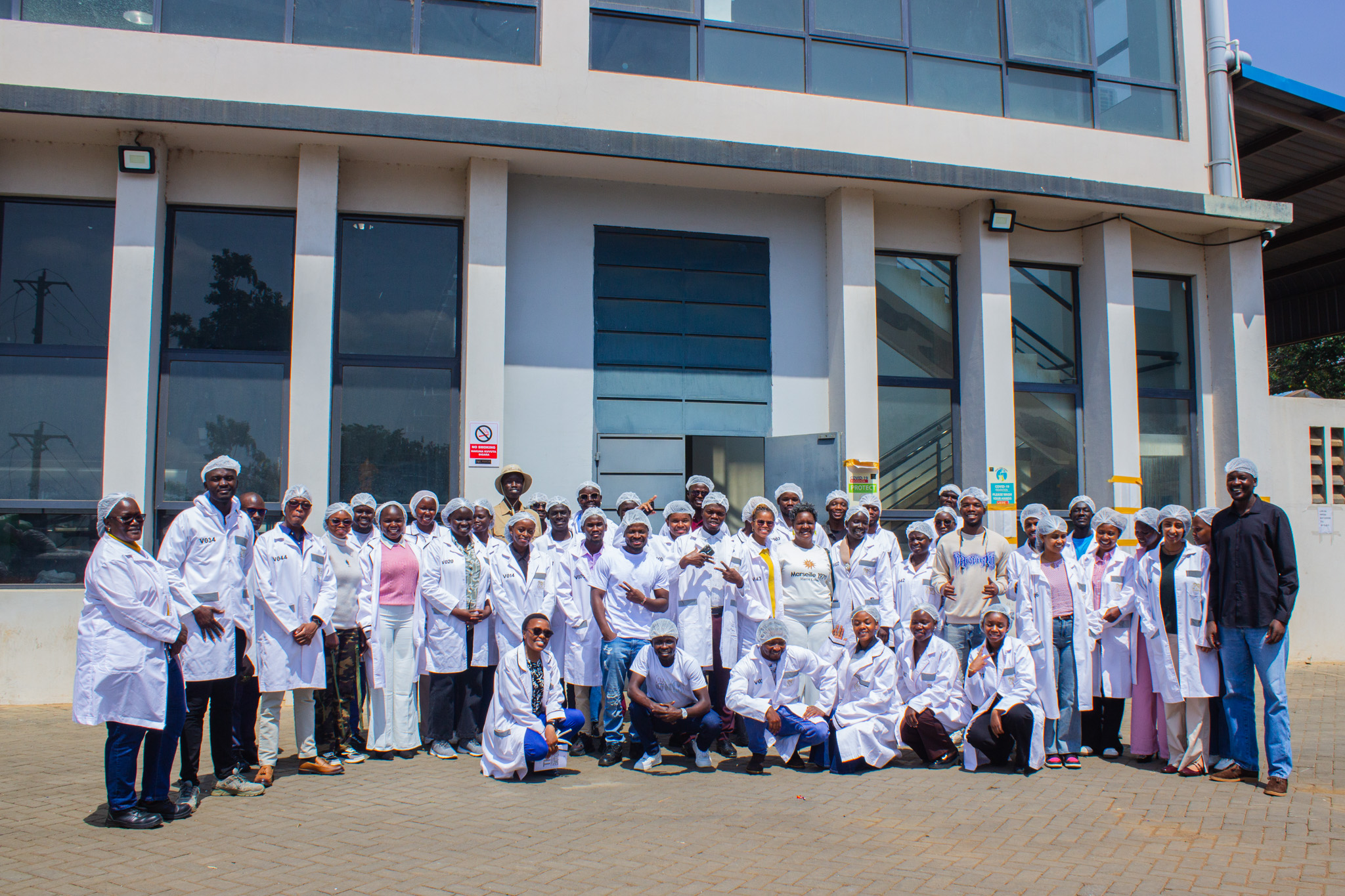
Forty USIU–Africa Mastercard Foundation Scholars recently got a first-hand look at the world of manufacturing during an immersive visit to HACO, gaining insights into how consumer needs, innovation and expertise come together to create products for the African household.
The students, drawn from diverse disciplines including manufacturing, retail and e-commerce, agriculture, education, fashion and arts, technology, health and hospitality, had an opportunity to connect what they learn in the classroom with the realities of industry.
The session, led by Joan Chege, Category Manager Homecare, and Mary Wangere, R&D Manager, offered the scholars a closer look at the journey behind everyday products, from understanding consumers and identifying their needs to research, development, quality and bringing products from the lab to market.
Through the engagement, the students explored how consumer insights inform product development and how research and development, innovation and quality come together to create products that meet the evolving needs of households across Africa.
The experience also gave the scholars an opportunity to engage directly with industry practitioners. They asked questions, shared their perspectives and explored the different career pathways, skills and entrepreneurship opportunities available within the manufacturing sector.
Coming from a range of academic and professional interests, the students were able to see how manufacturing extends beyond production lines, bringing together disciplines such as consumer understanding, research and development, technology, creativity, business and commercialization.
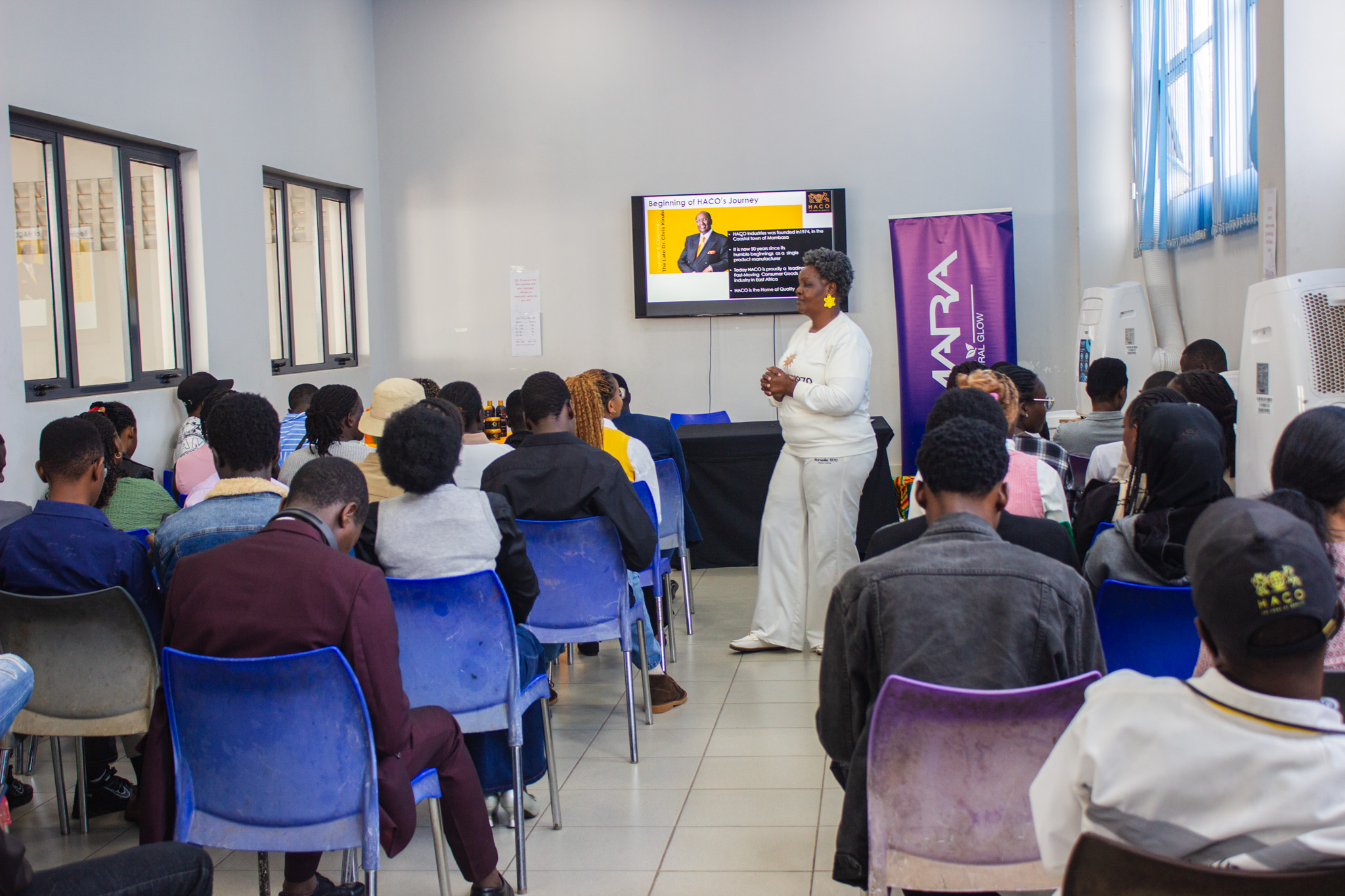
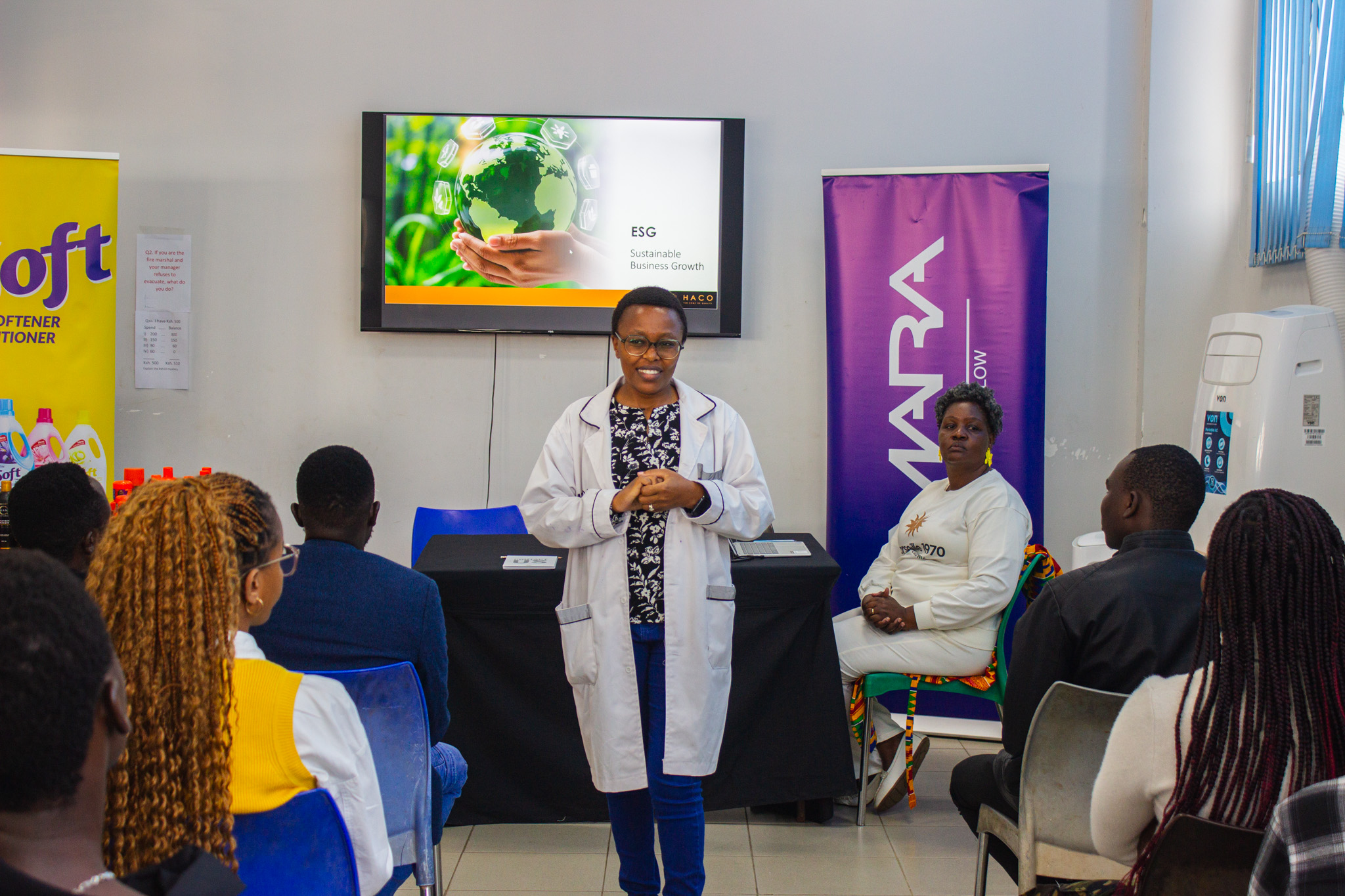
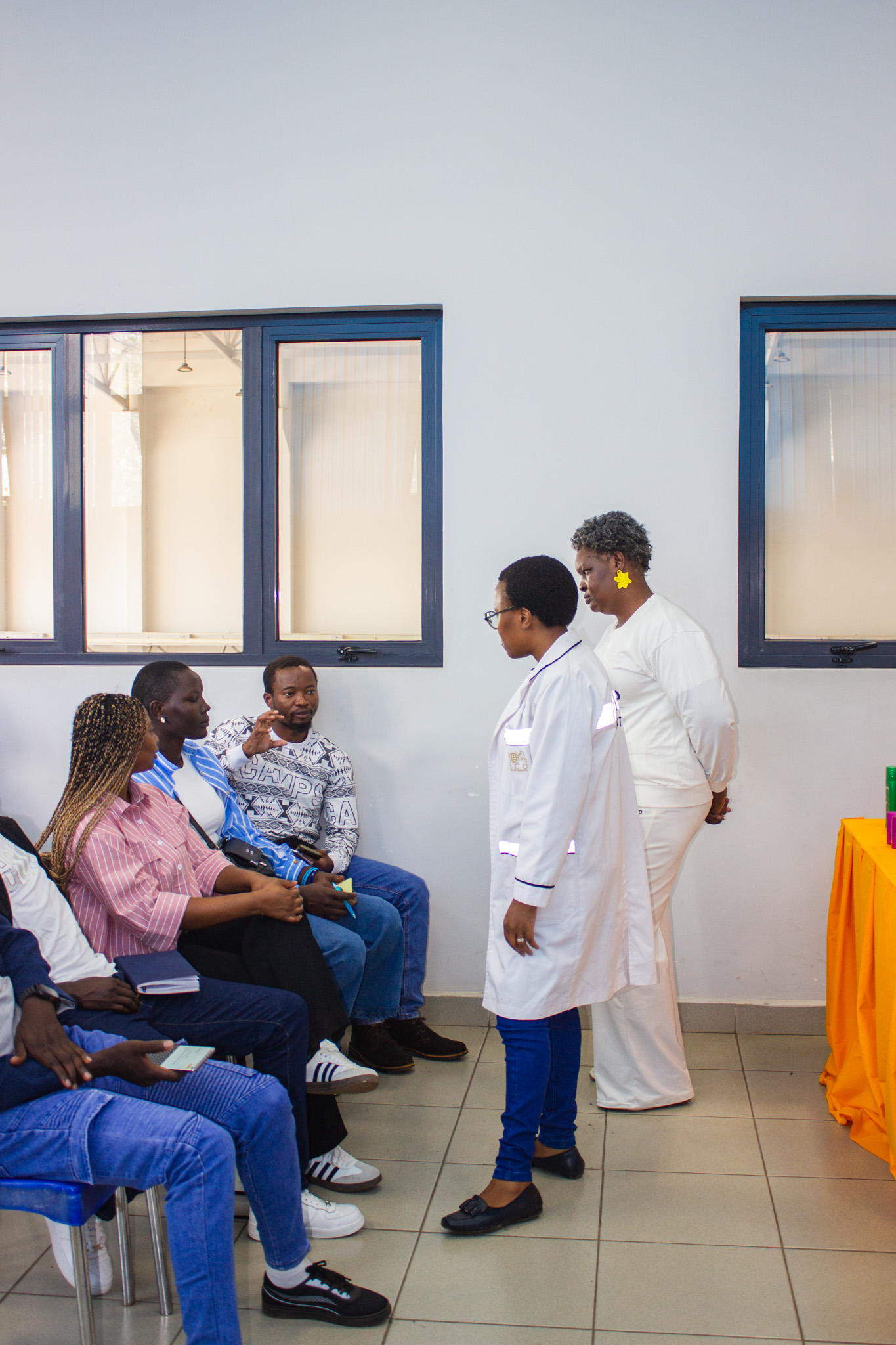
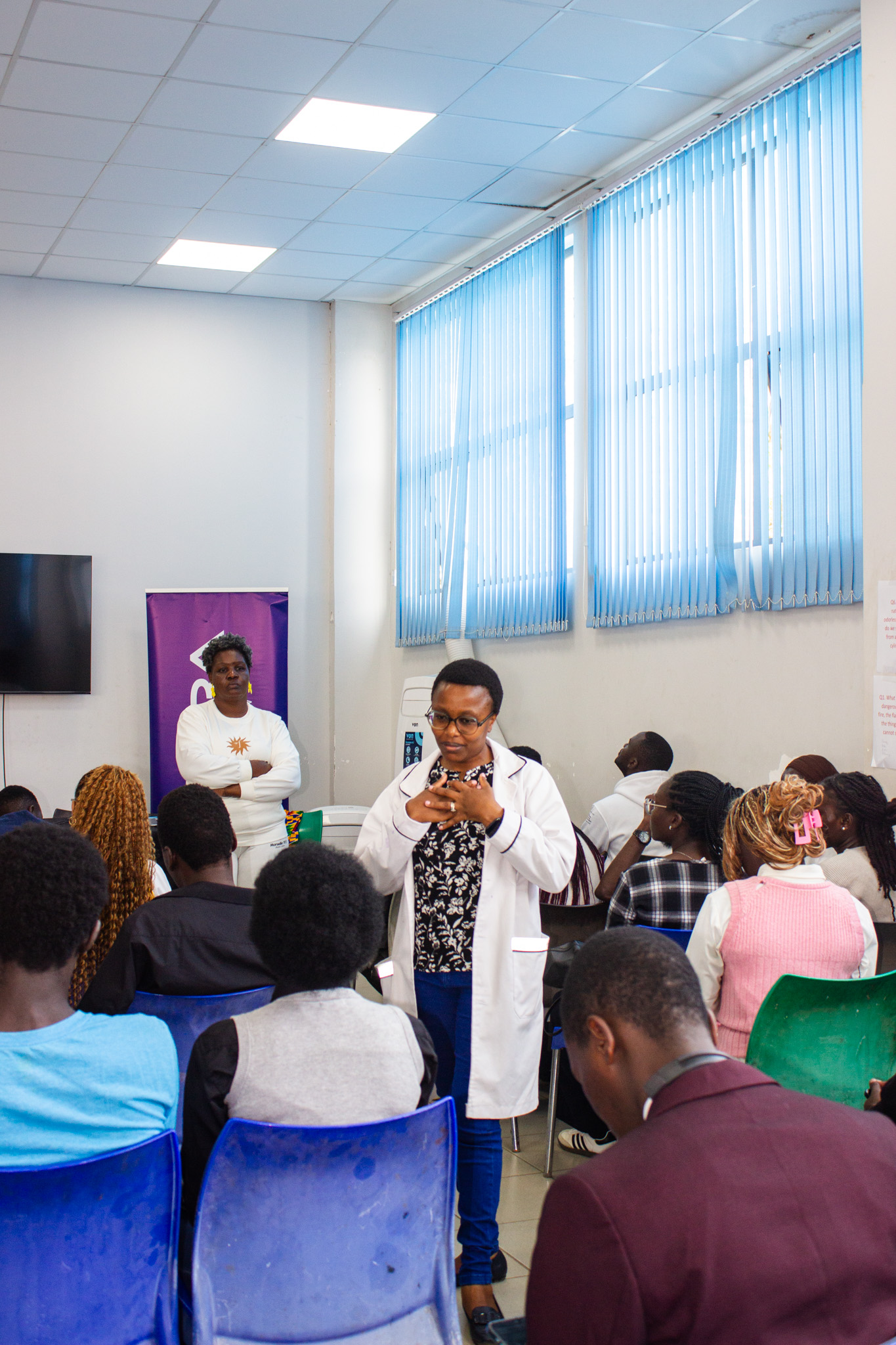
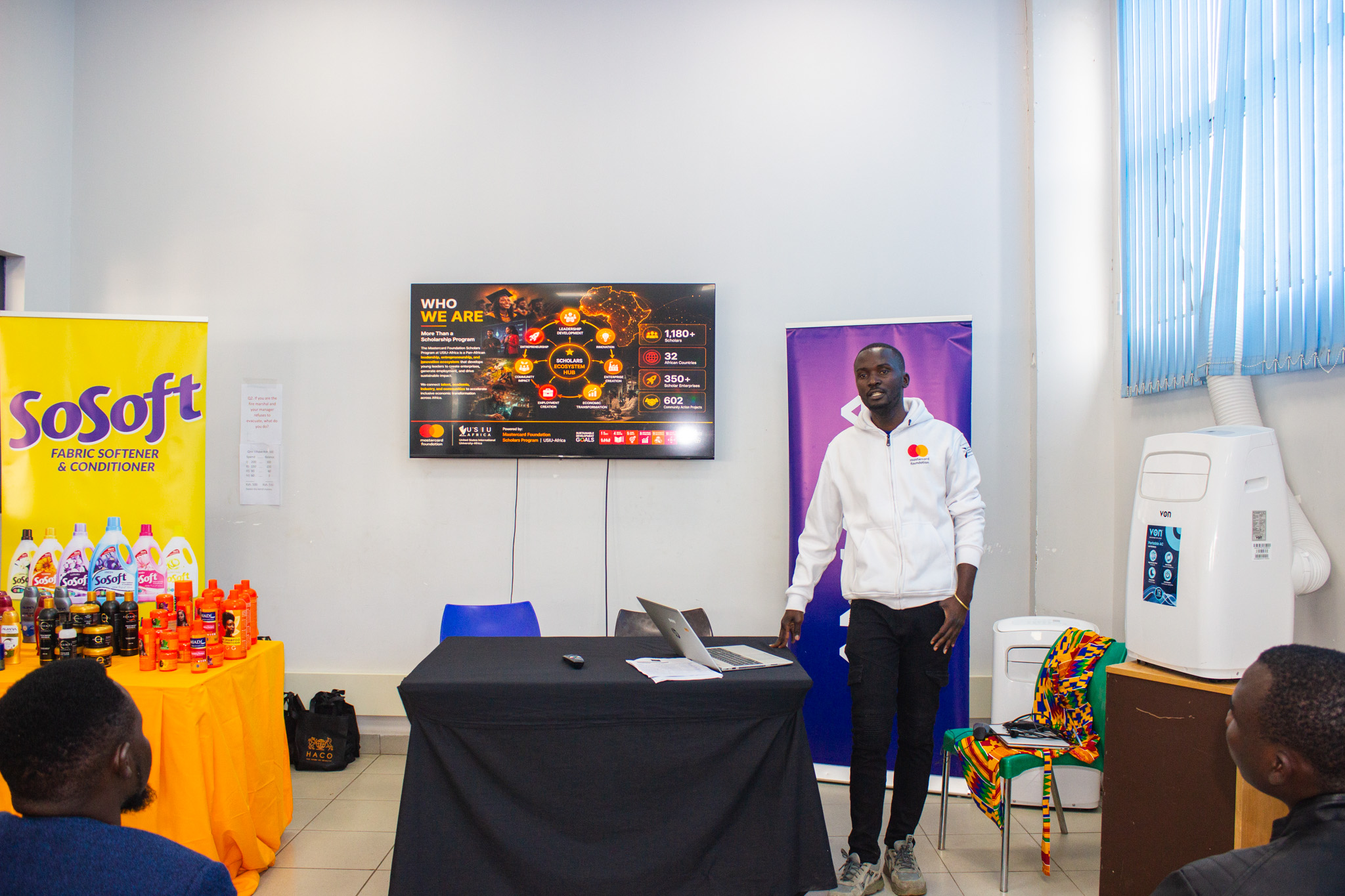
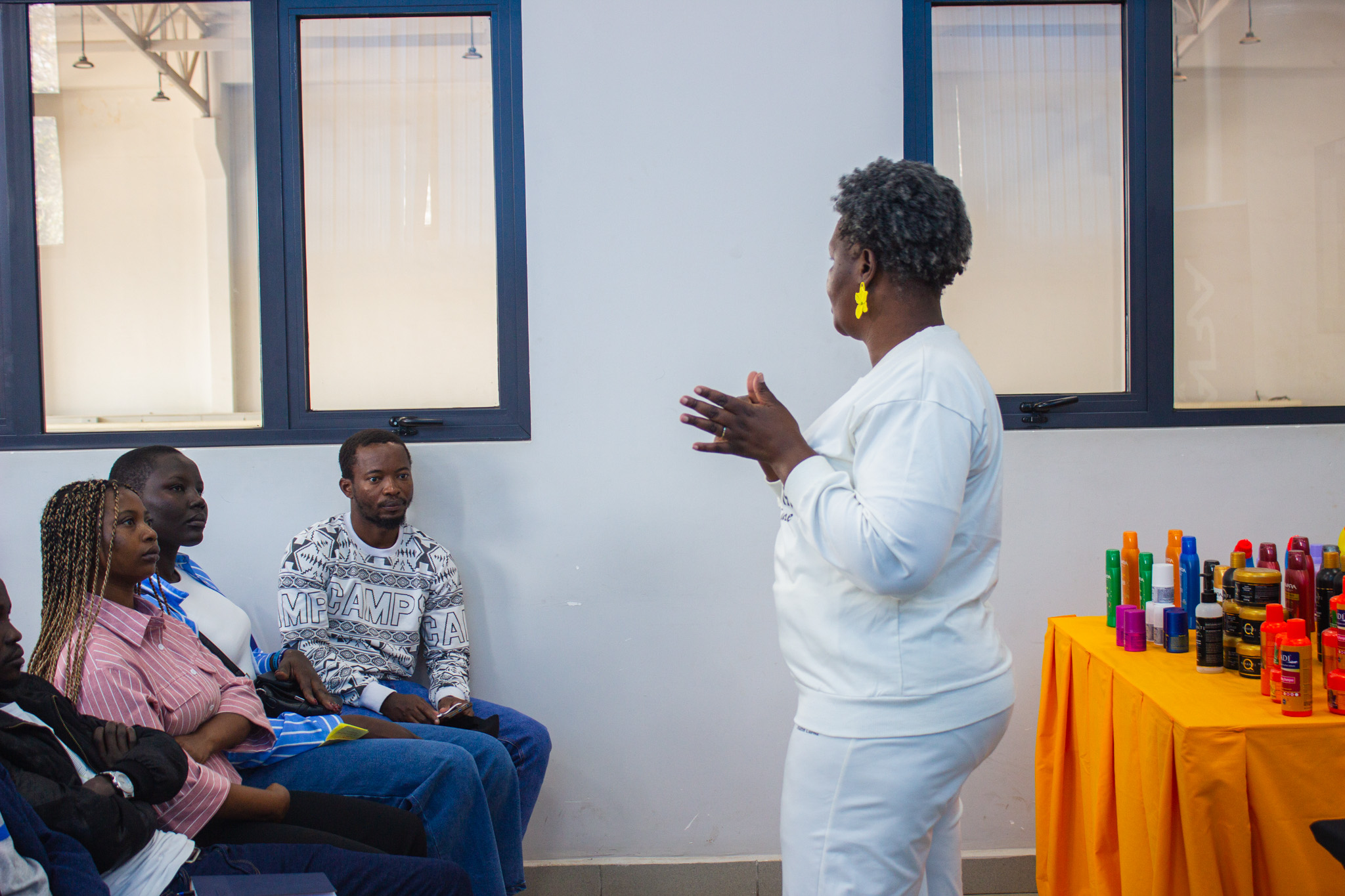
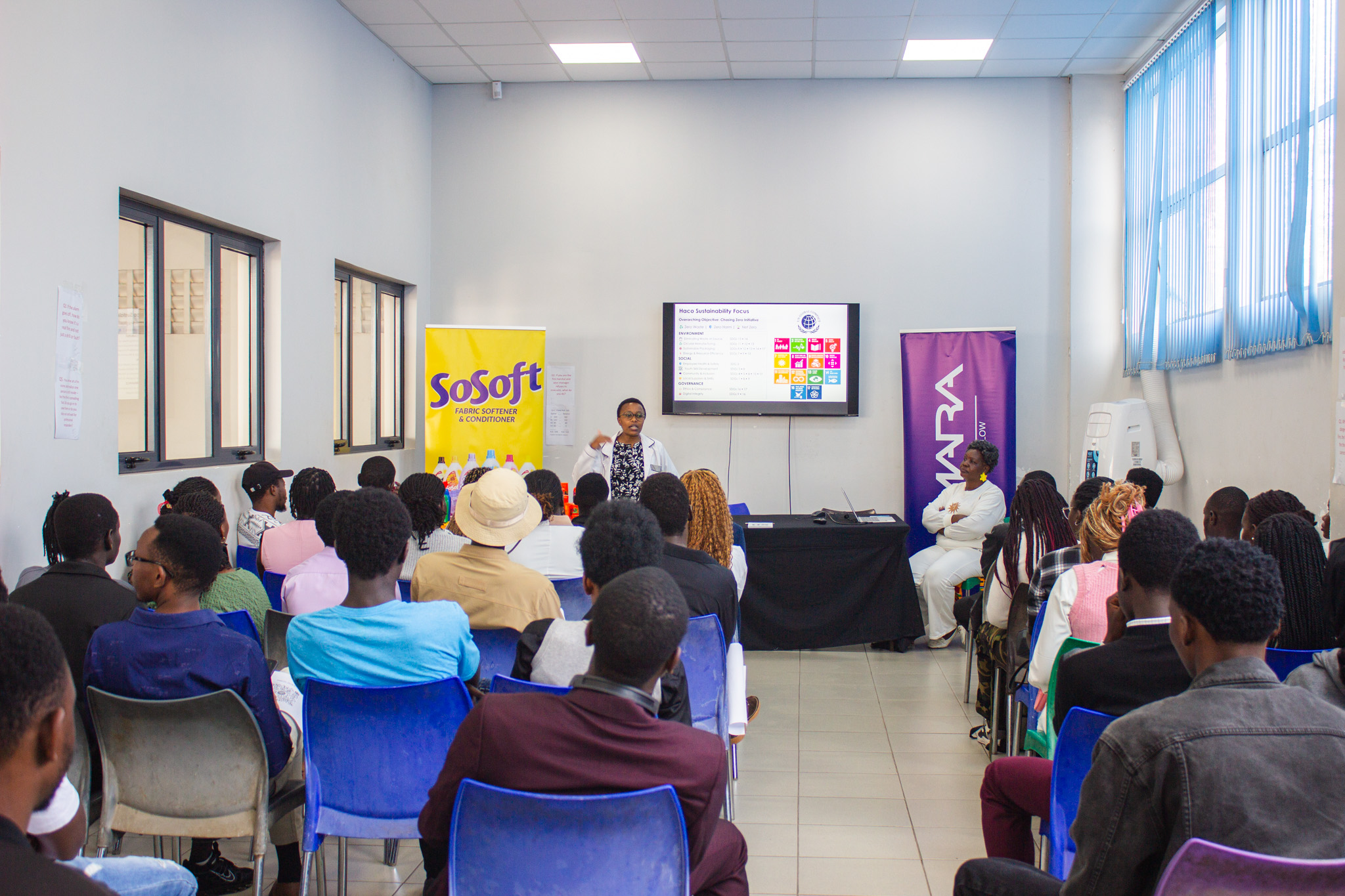
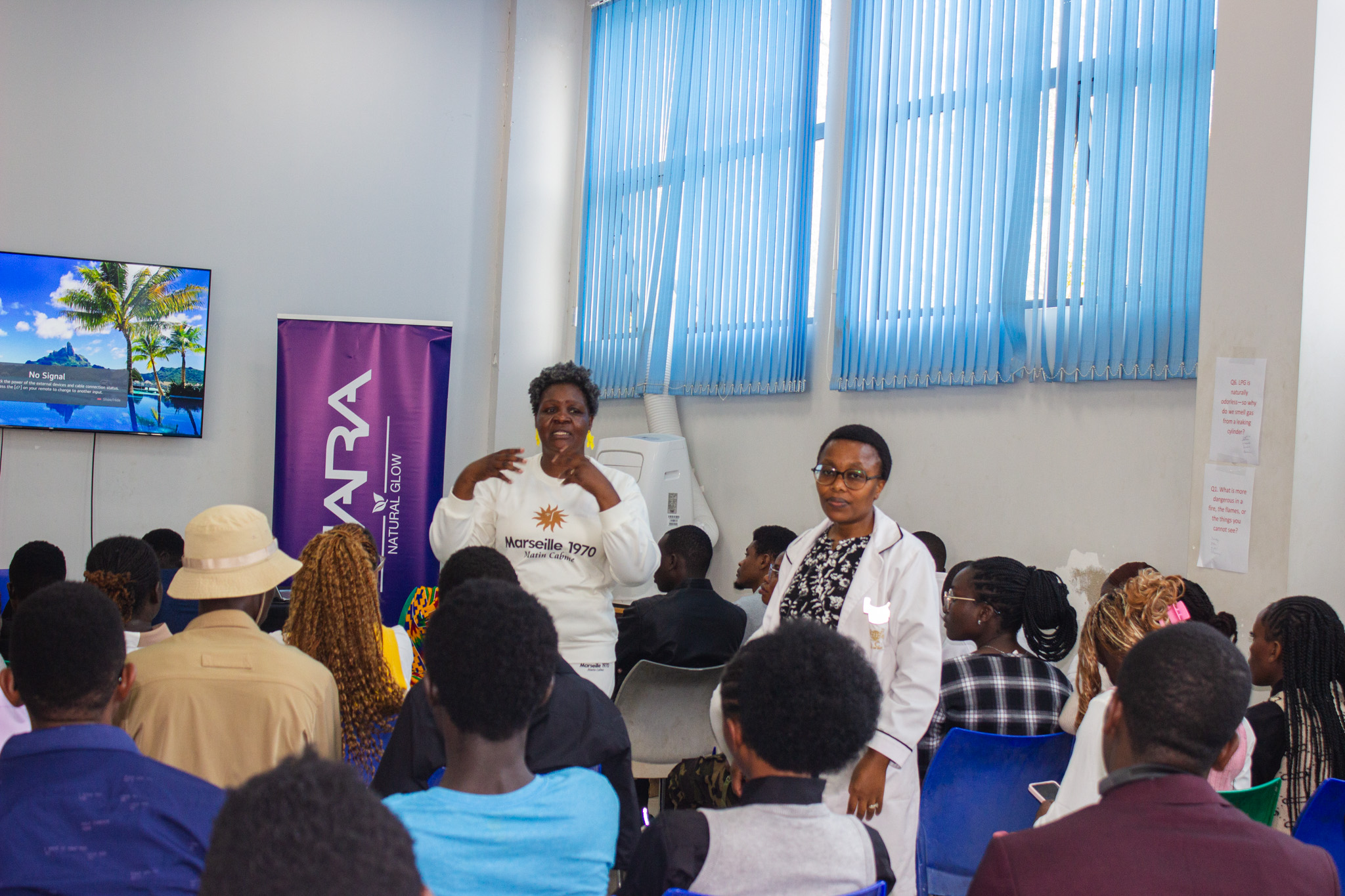
The engagement highlighted the value of connecting young people with industry and giving them practical exposure to the people, processes and expertise that shape the products they use every day.
For HACO, creating these opportunities is part of its commitment to sharing knowledge, supporting young talent and helping the next generation understand how their skills and ideas can contribute to building solutions for African households.
The visit also provides an opportunity for HACO and USIU–Africa to explore future collaborations and partnerships that can strengthen the connection between education and industry.
For the scholars, the experience offered more than a look behind the scenes of manufacturing. It gave them an opportunity to ask questions, challenge ideas and consider where their own skills, creativity and entrepreneurial ambitions could take them.