
Climate change is no longer a distant environmental concern; it is a present-day economic and operational reality. For Fast-Moving Consumer Goods (FMCG) companies, whose value chains touch agriculture, manufacturing, logistics, retail, and households on a daily basis, climate risk is business risk. Disruptions driven by extreme weather, resource scarcity, and regulatory shifts are already reshaping how goods are produced, distributed and consumed. In this context, FMCG industries are uniquely positioned while also uniquely obligated to lead the charge towards climate resilience.
The sector’s scale is its greatest responsibility. FMCGs operate at volumes that influence ecosystems, labour markets, and consumer behaviour simultaneously. This reach means incremental improvements are not enough. Climate resilience must move from the margins of corporate responsibility into the core of strategy, capital allocation, and operational decision-making. Companies that fail to make this transition will find themselves exposed to supply shocks, rising costs, and eroding consumer trust.The first frontier of climate resilience lies within supply chains. Many FMCG inputs; from agricultural raw materials to packaging are acutely vulnerable to climate volatility. Droughts, floods and shifting weather patterns threaten both availability and quality, particularly in emerging markets where smallholder farmers form the backbone of supply. Leading FMCG companies must therefore invest in climate-smart sourcing models that support farmers with resilient inputs, regenerative practices, and access to stable markets. Long-term supplier partnerships, rather than transactional procurement, will be essential in ensuring continuity and shared risk management.
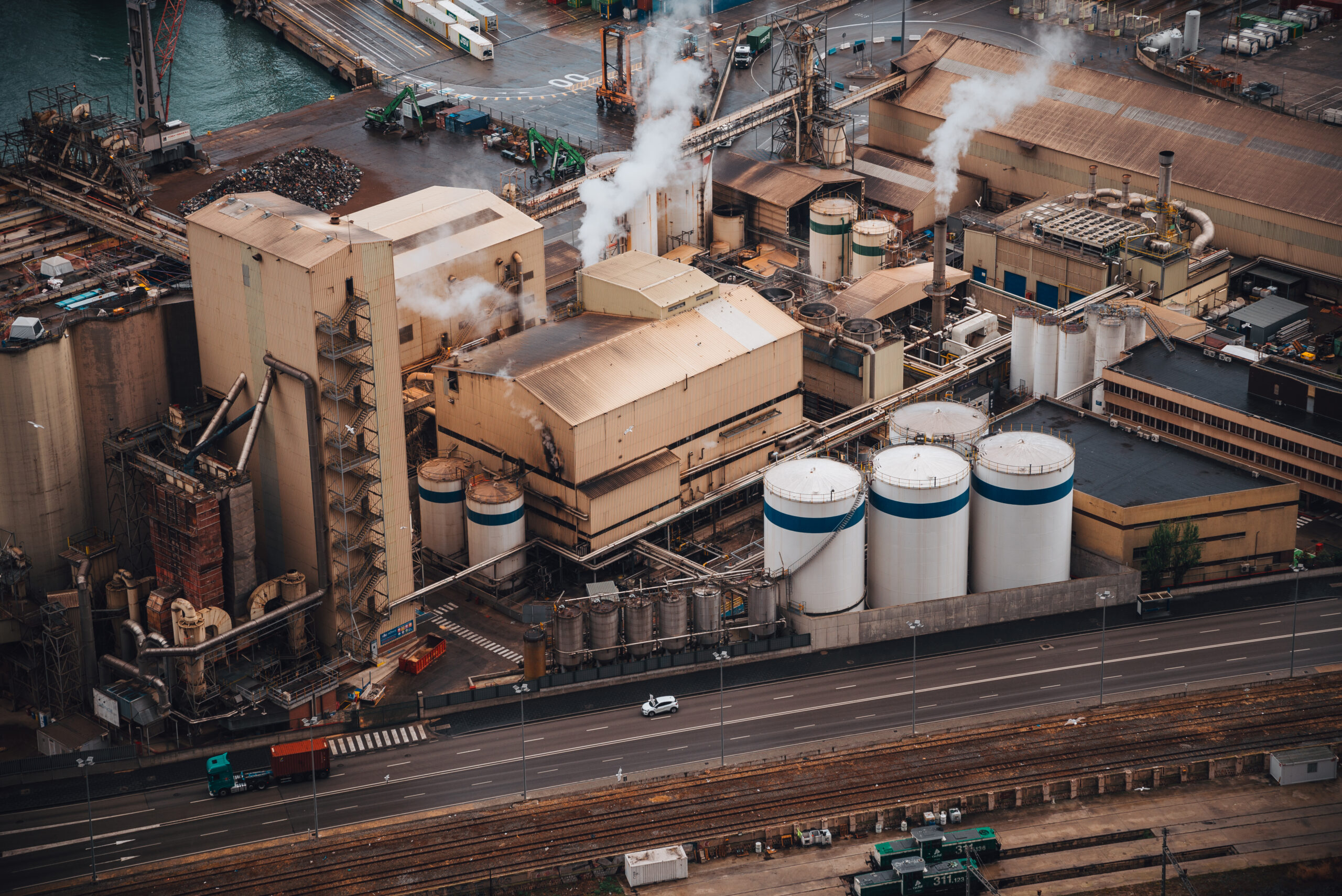
Manufacturing operations present the second critical lever. Energy intensity, water use, and waste generation place FMCG production at the centre of the climate conversation. Climate-resilient manufacturers are those re-engineering plants to reduce emissions, optimize resource efficiency, and withstand environmental stress. Investments in renewable energy, water recycling systems, and closed-loop manufacturing are no longer discretionary. They are strategic hedges against future cost volatility and regulatory tightening, while simultaneously strengthening license to operate.
Equally important is the role of FMCG companies in advancing circular economies. Packaging waste, particularly plastics, has emerged as one of the most visible symbols of unsustainable consumption. Climate resilience demands a decisive shift from linear production models to circular systems where materials are designed for reuse, recovery, and reintegration. FMCGs must lead in reducing material intensity, redesigning packaging for recyclability, and co-creating collection and recycling infrastructure in partnership with governments and the informal sector. Circularity is not simply an environmental imperative; it is a pathway to securing long-term material supply and reducing exposure to virgin resource scarcity.
Consumer engagement is another powerful, often underutilized, lever. FMCG brands sit inside millions of homes, influencing daily habits at an unparalleled scale. By embedding sustainability into product design, labelling, and marketing, companies can normalize climate-conscious consumption without shifting the burden entirely onto consumers. Climate resilience is strengthened when affordability, accessibility, and sustainability are aligned – ensuring that responsible choices are not a premium reserved for the few, but a standard available to the many.
Governance and leadership will ultimately determine whether climate ambition translates into climate impact. Boards and executive teams must treat climate resilience as a material business issue, supported by clear targets, accountability mechanisms, and transparent reporting. Integrating climate risk into enterprise risk management, investment decisions, and performance incentives sends a clear signal that sustainability is not a parallel agenda, but a core driver of long-term value creation.

In Kenya and other emerging markets across Africa, the stakes are even higher. Rapid urbanization, a growing middle class, and climate vulnerability converge to create both risk and opportunity. FMCG companies operating in these contexts have the chance to demonstrate that industrial growth and climate resilience can advance together. By localizing production, supporting resilient livelihoods, and aligning with national climate and development priorities, the sector can help build economies that are not only competitive, but also sustainable.
The path forward is clear. Climate resilience is no longer about doing less harm; it is about building systems that endure. For FMCG industries, leadership in this space will define the next era of competitiveness. Those who act decisively will secure supply, strengthen trust, and future-proof their businesses. Those who delay may find that the climate has already made the decision for them.
In the race against climate disruption, FMCG companies are not just participants in the economy but architects of everyday life. With that influence comes responsibility. And with responsibility comes the opportunity to lead.
This perspective was originally published in The Standard Media as part of the ongoing conversation on sustainability, resilience, and economic growth. Read the original article here. https://www.standardmedia.co.ke/opinion/article/2001539906/why-fmcg-giants-must-lead-the-fight-against-climate-change
The MD’s Lens by Mary-Ann Musangi
Managing Director HACO Industries